

Energy and Endurance Supplements for an Active Lifestyle
Practical context on how energy and endurance supplements fit into a balanced approach to activity, rest, and everyday wellness.
Energy and endurance supplements are popular among men who want to support their physical routines, whether that means regular gym training, running, or demanding physical work. This page explains what is typically in these products, how the ingredients are presented on labels, and how they fit into a balanced approach to activity and rest. We focus on product information so you can read labels and compare options.
Throughout this guide, we use the same ingredient names you will see on Supplement Facts panels in Indonesia — no marketing translations, no invented jargon. When a term needs explanation, we break it down in plain language.
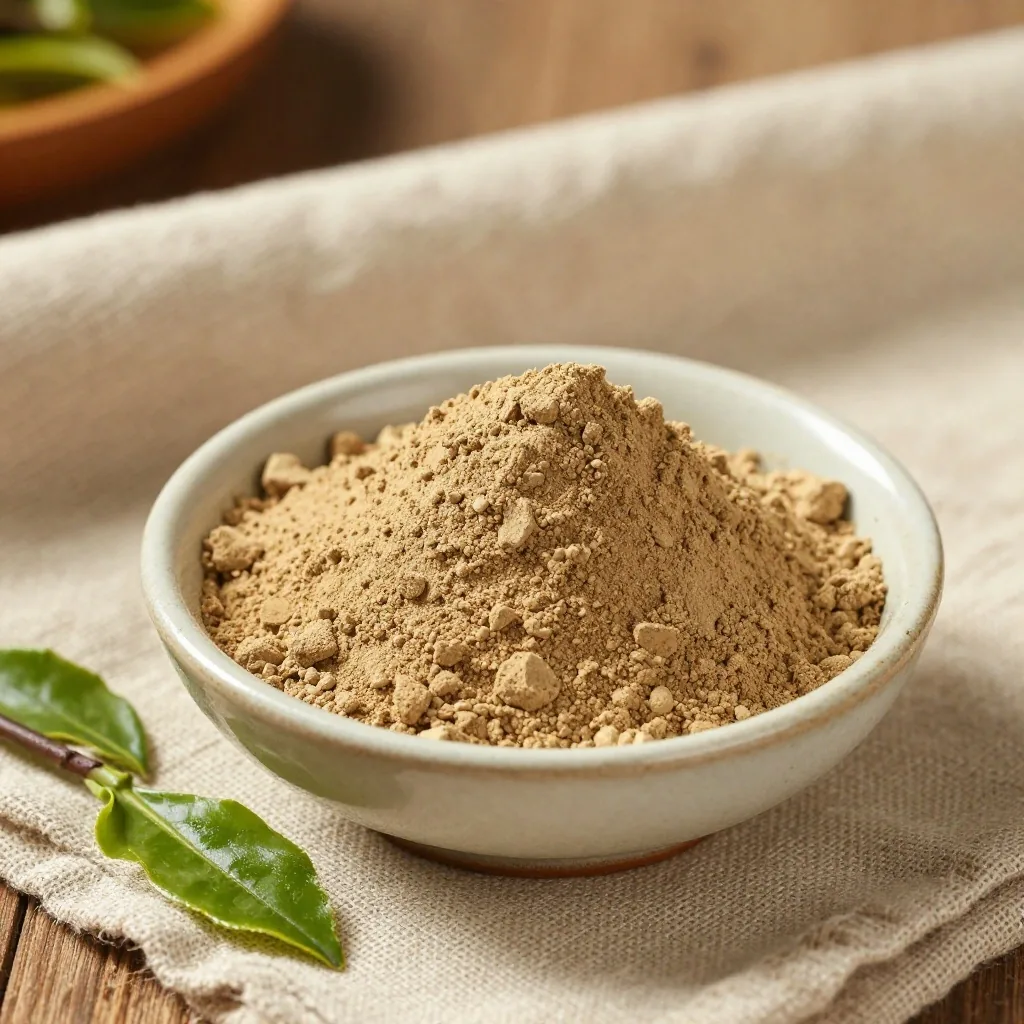
What Energy Supplements Usually Contain
Products marketed for energy usually contain stimulants, with caffeine being the most common. Caffeine is well understood and is listed on labels in milligrams, often sourced from caffeine anhydrous, green tea extract, or guarana. A standard cup of coffee contains about 95 mg of caffeine, and many energy supplements provide between 100 mg and 200 mg per serving.
We highlight this comparison so you can gauge your intake relative to what you already consume in a day. If a single capsule carries 200 mg and you have already had two cups of coffee, you are at roughly 390 mg before noon — a level where some people start to feel jittery. Knowing the milligrams helps you stay within a range that feels right for you.
Endurance Ingredients on Labels
Endurance supplements focus on sustained physical output and often contain amino acids or plant-based compounds. Beta-alanine is a common ingredient that may cause a harmless tingling sensation called paresthesia, which surprises first-time users who have not read the label. L-citrulline is another amino acid frequently listed for endurance routines.
We explain what these names mean so you are not relying on marketing claims to understand what is in the bottle. When you see a long chemical name on a panel, it usually describes a specific amino acid or extract that has a known role in how the body manages effort and recovery. The ingredient name is not the claim — the amount and the form are what you compare.
Beta-alanine: an amino acid that may produce a temporary tingling feeling under the skin. The effect is short-lived and typically fades within thirty to sixty minutes.
L-citrulline: an amino acid involved in nitric oxide production, frequently listed in pre-workout and endurance formulas. Amounts on labels typically range from 1 g to 8 g per serving.
Adaptogens in Active Lifestyle Products
Adaptogens like ashwagandha and rhodiola rosea are increasingly common in men's endurance and energy formulas. These are plant extracts traditionally used in wellness practices and are now widely available in Indonesia and internationally. They are often marketed for stress management and physical resilience.
We describe what they are and how they appear on labels, without claiming they will eliminate stress or improve performance, because that is not something an informational site can promise. Reading an adaptogen entry on a Supplement Facts panel tells you the plant source, the extract ratio, and the amount per serving — which is what you need to compare two products honestly.

Pre-Workout Versus Daily Energy Formats
Mixed with water and taken before training.
Often contain higher caffeine doses alongside amino acids like beta-alanine and L-citrulline. Designed for a focused window of physical effort, not for general daily use. Serving sizes are measured in scoops, and the caffeine total can reach 200 mg or more per serving.
Taken once or twice a day for general alertness.
Lower caffeine per serving, often paired with B vitamins or adaptogens. Intended as a morning or midday supplement rather than a training trigger. Knowing the difference helps you choose a product format that matches your routine instead of accidentally taking a pre-workout dose when you just want a morning supplement.
Practical check: if the label lists caffeine above 150 mg per serving and includes beta-alanine, the product is likely positioned as a pre-workout. If caffeine is below 100 mg and the formula includes B vitamins or ashwagandha, it is closer to a daily energy format.
The Role of Food and Sleep
No energy supplement replaces the value of adequate food intake and consistent sleep. If you are not eating enough to fuel your activity or sleeping enough to recover, a capsule will not bridge that gap. We point this out because marketing for energy products often implies that the supplement itself is the key to performance.
Realistic expectations mean understanding that supplements are a small part of a larger picture. A product can provide caffeine that makes you feel more alert, or an amino acid that appears on an endurance panel, but the hours you slept last night and the meals you ate today carry more weight than any single ingredient list.
When your routine feels off — low energy, poor recovery, flat training sessions — the first questions worth asking are about sleep duration, meal timing, and hydration. A supplement label is the last place to look, not the first.
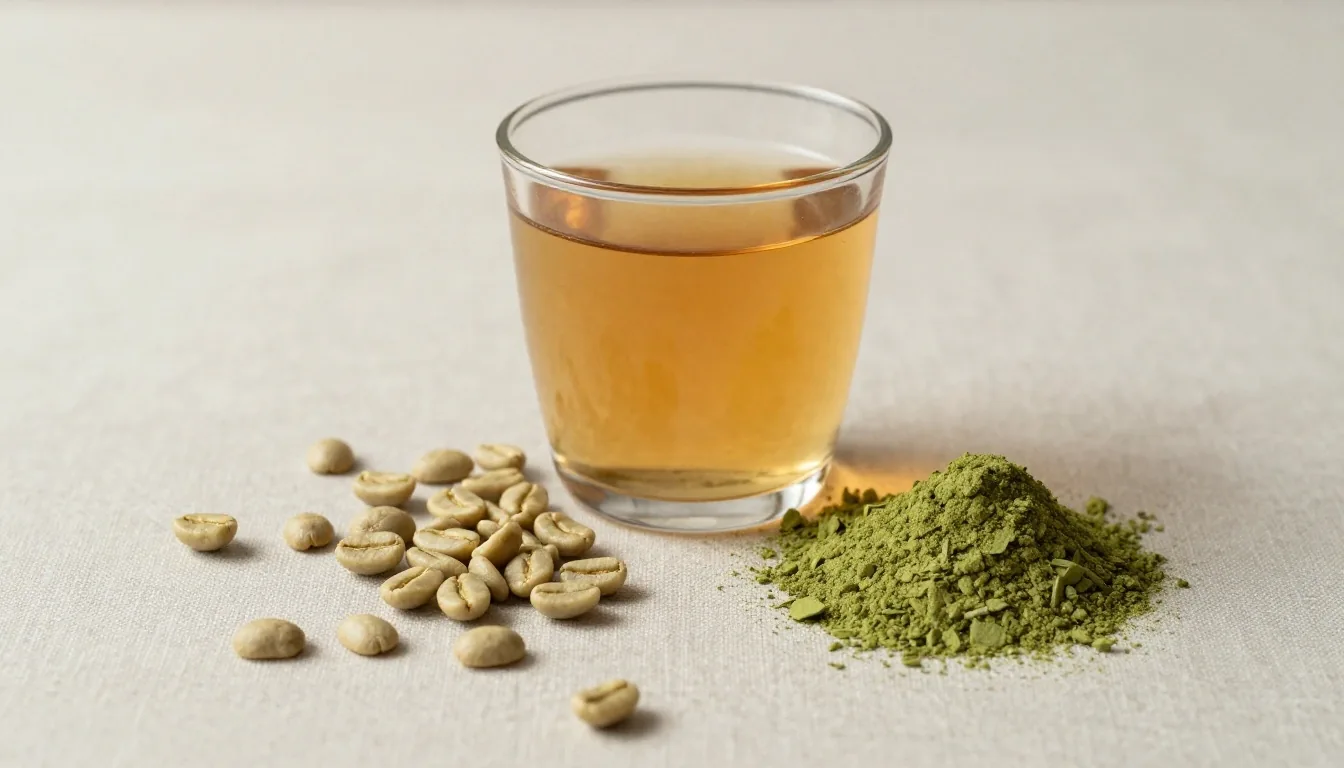
Avoiding Excessive Stimulant Intake
One risk with energy supplements is taking too many stimulants at once, especially if you combine a pre-workout with coffee or energy drinks throughout the day. High caffeine intake can lead to jitters, poor sleep, and increased heart rate.
We recommend tracking your total daily caffeine intake from all sources, not just the supplement label. This is a practical step to keep your routine sensible and safe. A simple tally — coffee at breakfast, a capsule at lunch, an afternoon drink — tells you where you stand before you add another serving.

Energy Products in the Indonesian Market
In Indonesia, energy and endurance supplements are sold in supplement stores, gyms, pharmacies, and online. Many are imported, while some are manufactured locally under BPOM registration. We note local availability so you know what to expect when shopping.
As always, the presence of a product on a shelf does not mean it is right for your specific needs, and reading the label is the best first step. BPOM registration confirms that a product has been recorded with the national regulatory body, but it does not tell you whether the ingredient profile matches your routine or caffeine tolerance.
Where to look
- Specialized supplement stores for imported endurance formulas
- Pharmacies for locally registered daily energy products
- Online marketplaces with direct-to-door shipping across Indonesia
Comparing Products Without Hype
We help you look past the marketing language on the front of the package and focus on the Supplement Facts panel. A clear label lists the exact amount of each ingredient, avoids hiding behind proprietary blends, and provides a realistic serving size.
Each ingredient should list a specific milligram or gram value. If a panel says "proprietary blend 3000 mg" without breaking down what is inside, you cannot compare it to anything.
Check whether one serving is one scoop, one capsule, or two. A product that looks lower in caffeine may simply use a smaller serving — and the real dose is what you actually take.
Caffeine from green tea extract, guarana, or caffeine anhydrous behaves similarly, but the source tells you whether the formula also carries other compounds from that plant.
If a product claims to deliver explosive energy or extreme endurance, treat that language with caution. The actual ingredients and amounts tell you more than the headline on the bottle.
Where to go next
Learn about Vitamins and Minerals
Our standardsReview our Editorial Guidelines
Who we areAbout Vitality Guide
Vitality Guide is an educational resource. The information on this page describes how energy and endurance supplements are formulated and labeled — it is not a recommendation to use any specific product. Dietary supplements are not a substitute for a varied diet. If you are considering a new supplement, reviewing the label and asking a qualified professional is a sensible first step.