
Natural Capsules and Herbal-Based Supplements for Men
Natural capsules and herbal-based supplements are among the most popular products for men exploring daily wellness options. This page explains what these products are, the ingredients they commonly contain, and how to evaluate them based on label information and intended use. We focus on product information, not promises.
What "Natural" Means on a Label
The word "natural" on a supplement label usually refers to ingredients derived from plant, mineral, or animal sources rather than synthetic production. It does not automatically mean safer, more effective, or better absorbed. Understanding this helps you look past the front of the bottle and read the Supplement Facts panel, where the actual ingredients and amounts are listed.
A capsule marketed as natural can still contain fillers, binders, or standardized extracts that undergo processing. The front of the bottle is marketing copy; the Supplement Facts panel is where you find what is actually inside. Learning to read that panel is the first step in evaluating any men's health support products.
Common Herbal Ingredients for Men
Several herbs appear frequently in men's wellness supplements sold in Indonesia and globally. We describe what these plants are and how they are traditionally used, without claiming they produce specific physiological results.
Ginseng — Asian and American
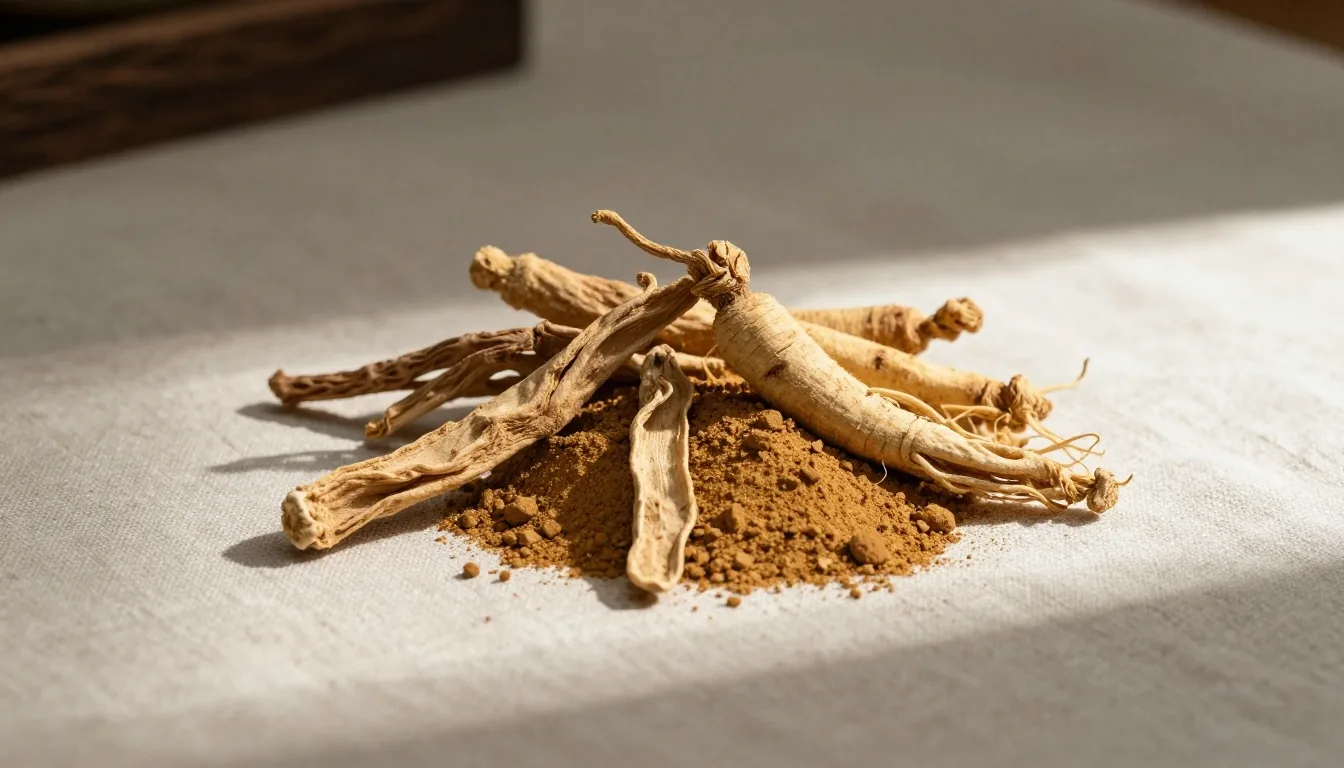
Used in traditional wellness practices across East Asia and North America, ginseng root is common in daily capsules marketed as natural supplements for men. The two main varieties — Asian ginseng and American ginseng — have different traditional applications, though both are sold as standardized extracts or whole-root powder.
Maca Root
Native to the Andes highlands, maca root is another popular ingredient in men's wellness lines. It is typically sold as a gelatinized powder or in capsule form. The plant has a long history of traditional use among Andean communities as a food source and general wellness staple.
Tribulus Terrestris and Fenugreek
Both are widely available in the men's supplement category, typically marketed toward men with active lifestyles. Tribulus is a flowering plant used in Ayurvedic and traditional practices, while fenugreek is a legume with a long culinary and herbal history in South Asia and the Mediterranean. Neither should be assumed to produce specific physical outcomes based on marketing claims alone.
Single Ingredients Versus Blended Formulas
You will encounter two main types of herbal capsules on the shelf: single-ingredient products and blended formulas. Each has practical advantages and trade-offs that affect how you manage your intake and compare products.
Single-Ingredient Products
A single-ingredient product contains one herb or compound. This makes it easier to control your intake and identify how you respond to that specific ingredient over time.
If you want to try maca root on its own, a single-ingredient capsule lets you gauge your response without confounding variables from other compounds in a blend.
Blended Formulas
A blended formula combines multiple ingredients, often marketed for a specific purpose like "daily vitality" or "active lifestyle." Blends can be convenient, saving you from buying and scheduling several separate products.
The trade-off: blends often use proprietary formulas that do not disclose the exact amount of each ingredient, which makes comparison and dosage management harder. Read the label carefully.
Standardized Extracts Explained
Many quality herbal supplements use standardized extracts, meaning the manufacturer guarantees a specific percentage of an active compound in the final product. For example, a ginseng extract might be standardized to contain 5% ginsenosides.
This is more informative than a label that simply lists "ginseng root powder," because it tells you the potency of the extract. A standardized extract lets you compare two products side by side: one offering 5% ginsenosides and another offering 10% are not the same serving, even if both say "ginseng" on the front.
When you scan a label, look for a percentage or ratio next to the ingredient name. If the label only says "root powder" with no standardization listed, you know less about what you are actually getting per capsule.
Format and Serving Size
Herbal supplements for men come in capsules, tablets, softgels, and powders. Capsules are easy to swallow and often mask strong herbal tastes, which makes them a practical choice for daily routines. Powders offer flexibility in serving size but require mixing and may carry more flavor.
Serving sizes vary widely. Some products require two or three capsules per day; others only one. Check the serving size and calculate how long one bottle will last before comparing prices — a cheaper bottle that lasts two weeks may cost more per month than a pricier one that lasts sixty days.
Popular Products in Indonesia
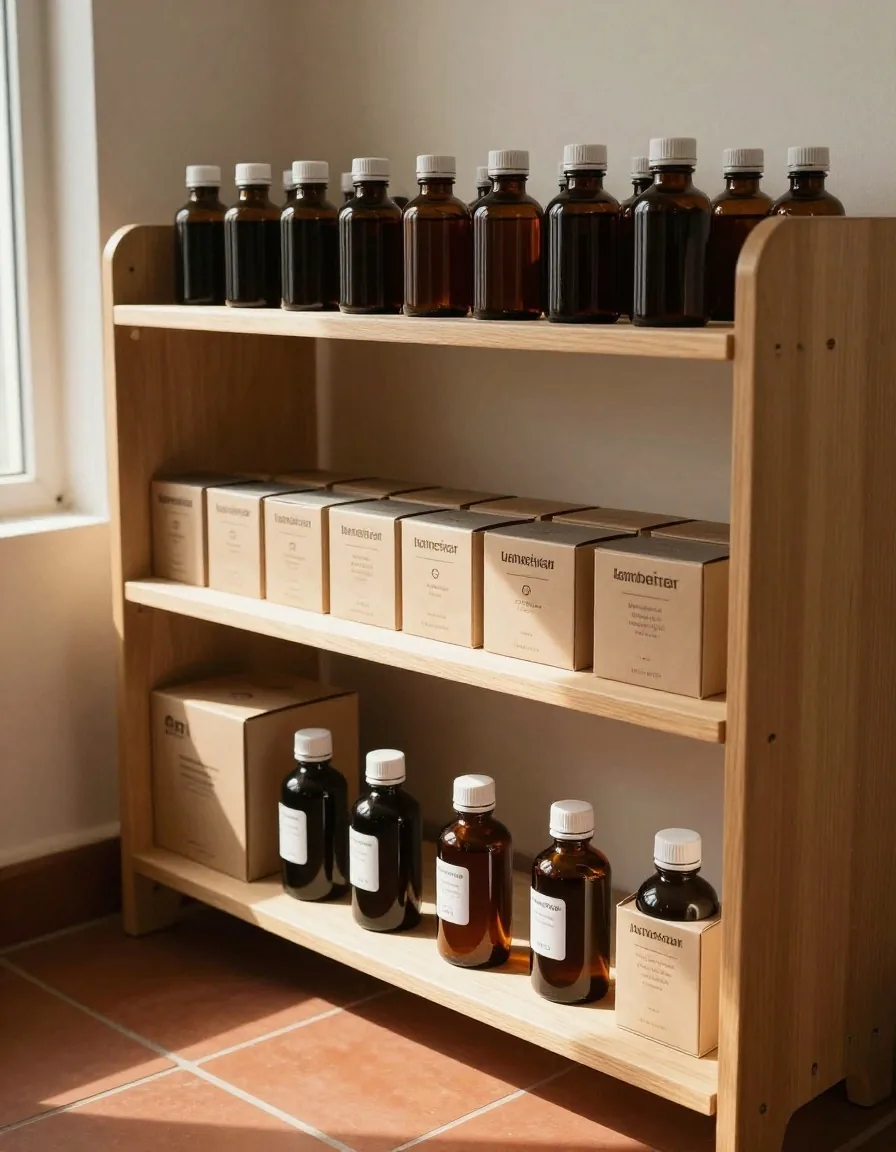
In Indonesia, many of these herbal supplements are available in local pharmacies, health food stores, and online marketplaces. Products registered with BPOM (Badan Pengawas Obat dan Makanan) will have a registration number printed on the label, which indicates they have been processed through local regulatory channels.
This registration does not mean the supplement is superior — it confirms the product is recognized by local authorities and has gone through a formal submission process. When evaluating a product's origin and compliance, look for the BPOM number as one data point among several.
- BPOM registration number — printed on the label, confirms local regulatory processing
- Batch and expiry information — indicates production tracking and shelf life
- Manufacturer name and address — lets you verify the source independently
- Supplement Facts panel — lists actual ingredients and amounts per serving
Realistic Expectations for Herbal Supplements
Herbal supplements are generally intended to support daily wellness routines over time, not to produce immediate or dramatic changes. Products marketed for rapid body changes or instant results are often making claims they cannot support.
We focus on how these capsules fit into a consistent, long-term approach to wellness that includes food, movement, and rest. A single capsule is not a substitute for any of those foundations. It is one element in a broader routine, and its role is best understood in that context.
If a product sounds too good to be true, the label deserves closer scrutiny. Claims of rapid transformation, overnight results, or guaranteed physical outcomes are signals to slow down and read the Supplement Facts panel more carefully.
How We Evaluate Supplement Information
When we write about natural capsules, we look at four things: the ingredient list, the form of the ingredient, the serving size, and any third-party testing disclosed by the manufacturer. We do not accept payment to feature products, and we do not publish ratings or rankings.
Ingredient List
What is actually in the product, listed in order of quantity. We check for fillers, binders, and additives alongside the active ingredients.
Form of the Ingredient
Whether the label specifies a standardized extract or a whole powder. This tells you about potency and how the ingredient was processed.
Serving Size
How many capsules or tablets constitute one serving, and how many servings the container holds. This determines cost per day and convenience.
Third-Party Testing
Whether the manufacturer discloses independent lab verification. Not all brands share this, and its absence does not disqualify a product — but its presence adds a layer of transparency.
Have a question about a supplement label?
Our goal is to give you the tools to read a label and make your own informed comparison. If you have a specific question about natural capsules, ingredient forms, or what to look for on a product sold in Indonesia, reach out — or review the editorial guidelines that shape our coverage.